Build Story & Origin
Why ColdStart, How It Was Built
The competitive discovery, the 48-hour execution log, and the strategic reasoning behind the build.
The Validated Gap
I scanned the other challenge submissions before writing a single line of code:
❌ Crowded Clusters
✅ Open Gap — Pinetree's Crown Jewel
Proposal Iteration
v1: Witness
Verification / Reliability Focus
Why it failed:
- Targeted the most crowded cluster (6+ competitors)
- The "issues" cited were other applicants' PRs
- Would have been copying competitors
Audited & Pivoted
Found the uncrowded gap
Why it works:
- No other applicant tested this theme
- Directly aligned with Pinetree's thesis
- Uses Solari's superpower differently (environment branching)
v2: ColdStart
Zero-Shot Generalization Harness
The 48-Hour Build Timeline
The initial harness, verifier, and CI landed in one ~4-hour afternoon session on Sep 2 (git log: first commit 14:24, showcase deployed the same afternoon). Docs, showcase media, and the cost router followed that evening through ~03:00 Sep 3. Research, auditing, and architecture took the rest of the 48-hour project lifecycle.
From Harry Chow's challenge tweet on Aug 31 to an audited, zero-leak zero-shot benchmark harness on Sep 2: research and architecture took the weekend; the first commit landed Sep 2 at 14:24 and the harness, verifier, and CI shipped in one ~4-hour afternoon session, with docs and media following that evening
Harry Chow tweets the $300K challenge: "No resume, no grades. Fork Solari, build a real use case, ship fast with AI."
The Competitive Audit: Scanned the public challenge forks and pull requests in a manual audit (not archived in this repo). Several applicants had already submitted generic "verification CI" entries. Self-rejected v1 ("Witness") to avoid entering a crowded, copycat cluster.
The Discovery: Pinetree's whole identity is zero-shot generalization on unseen environments. Exactly 0 of the other applicants touched it. That was the uncrowded white space.
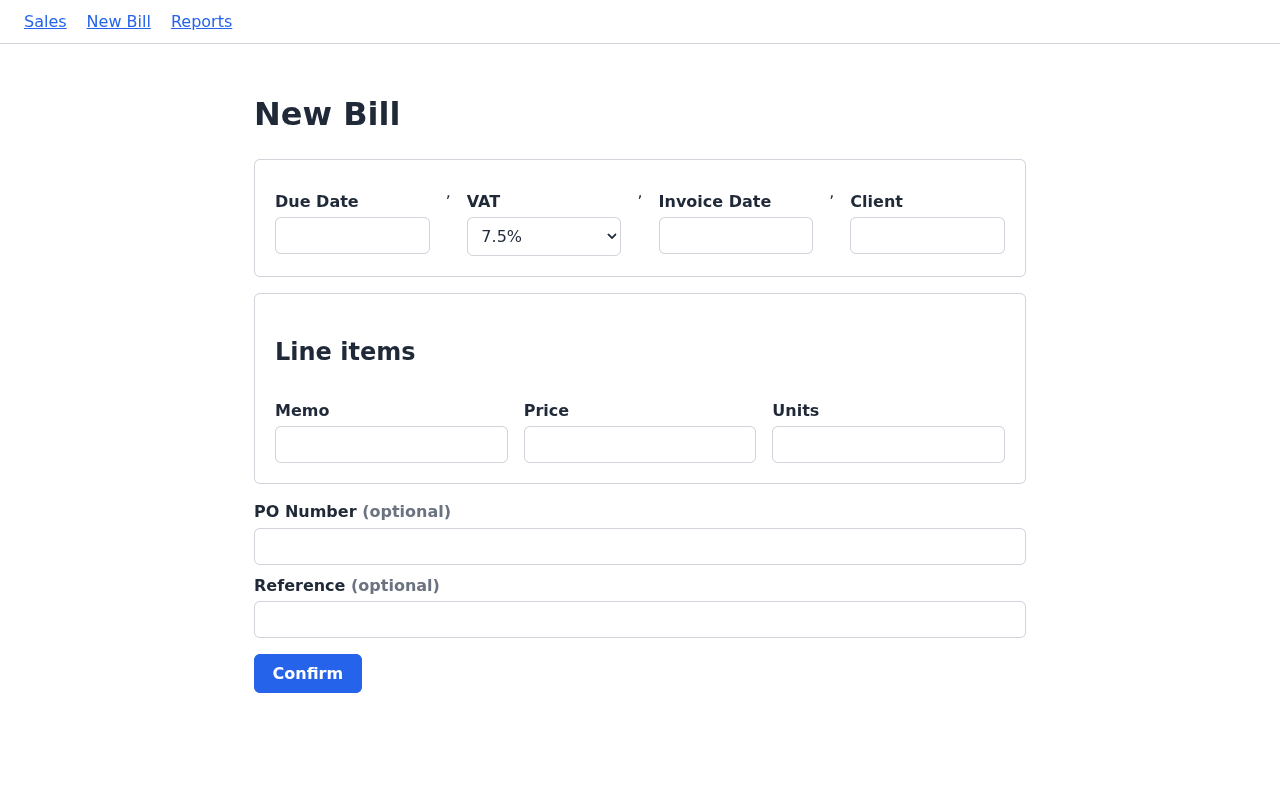
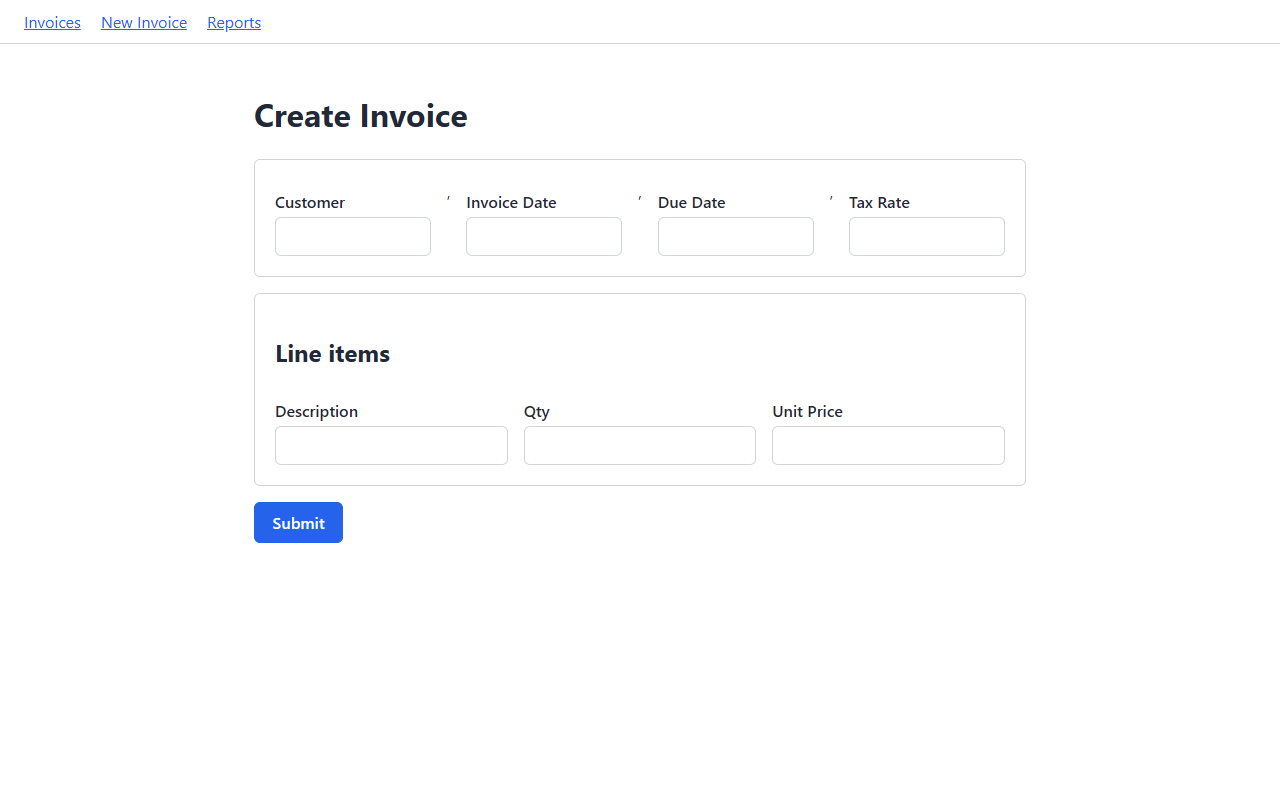
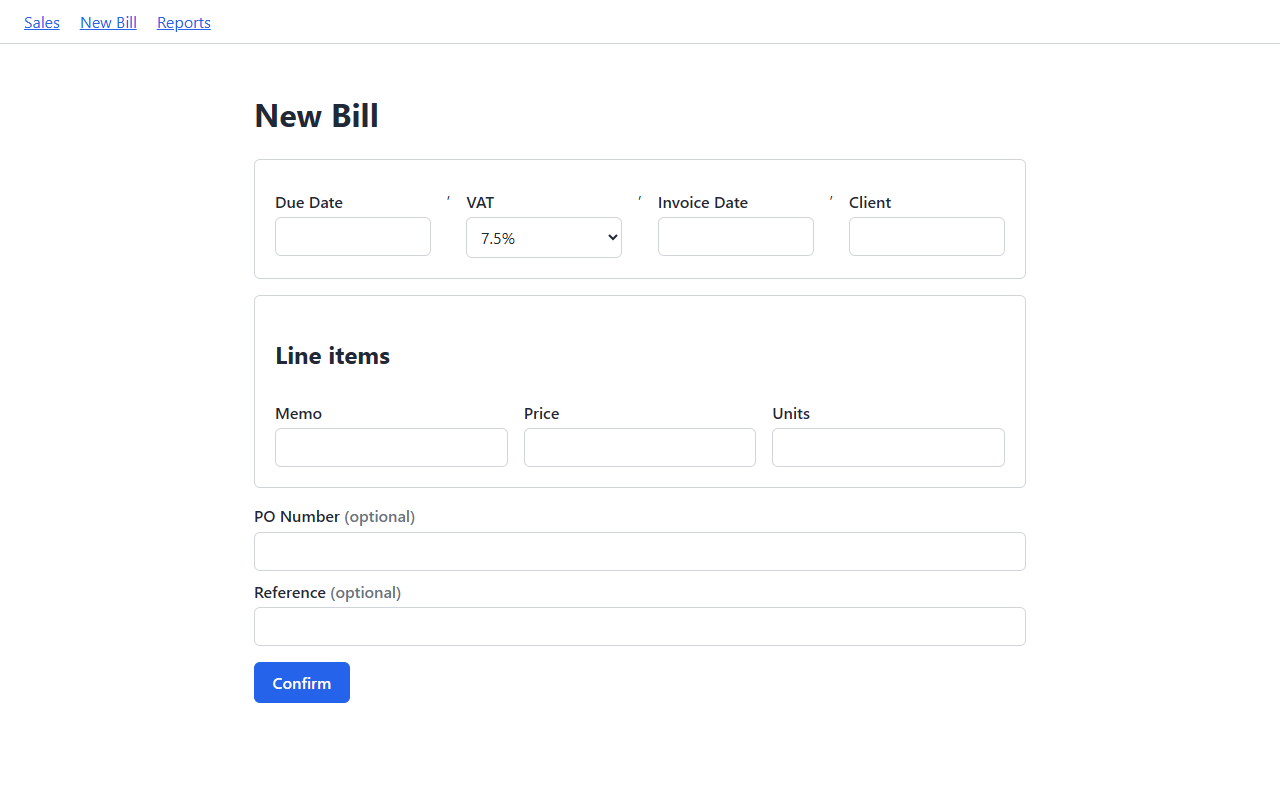
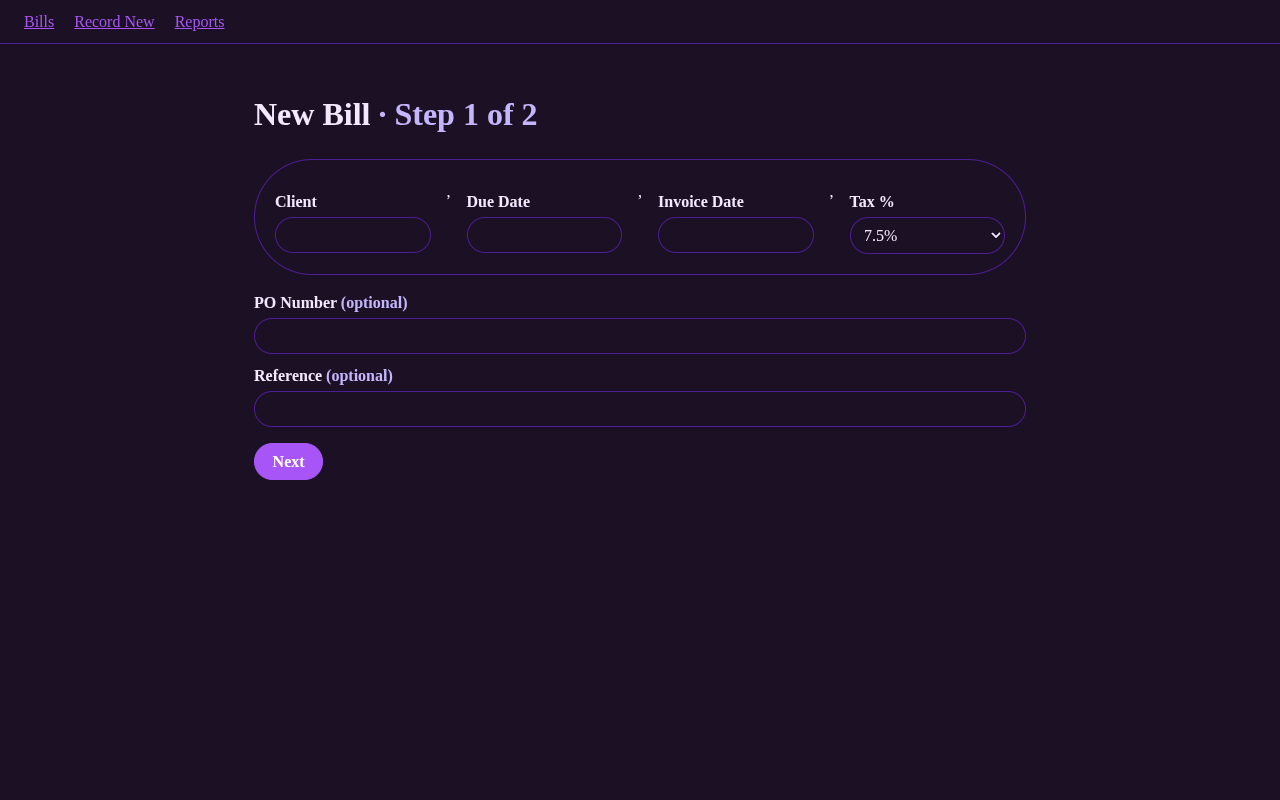
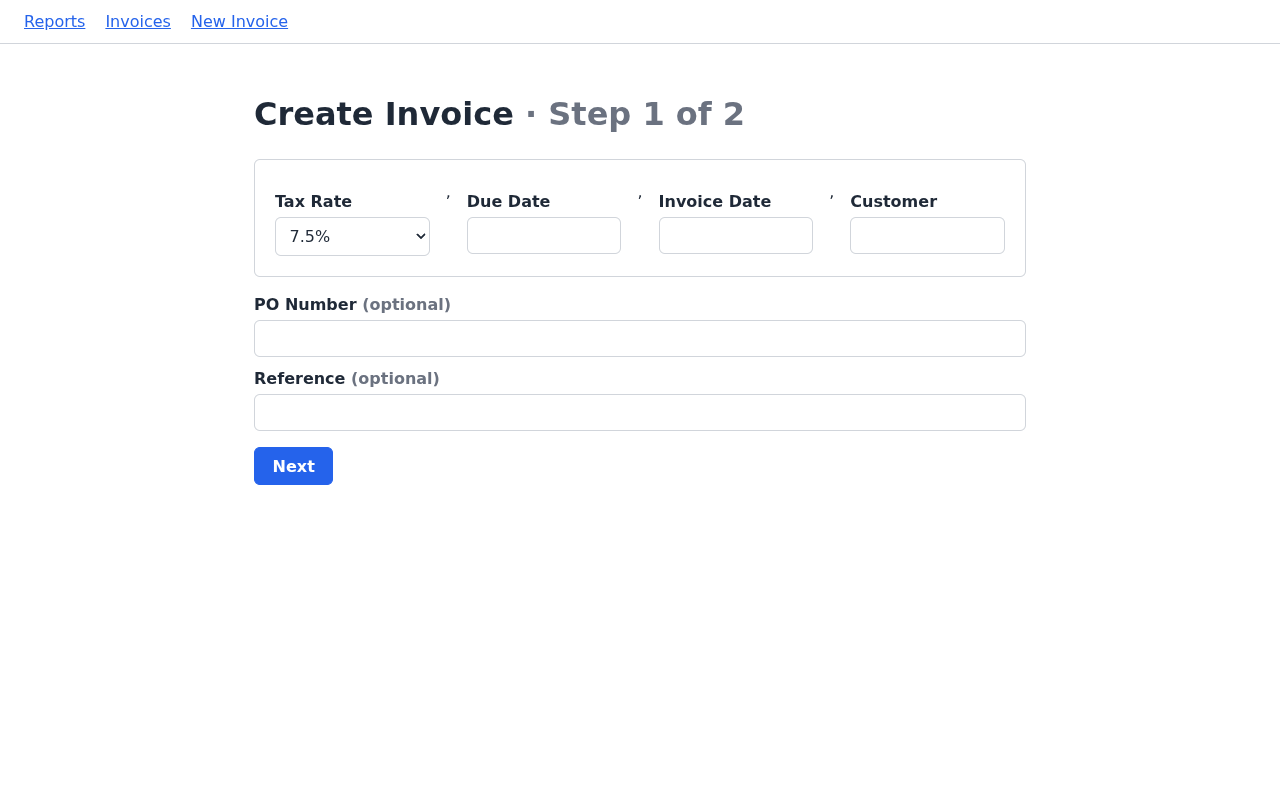
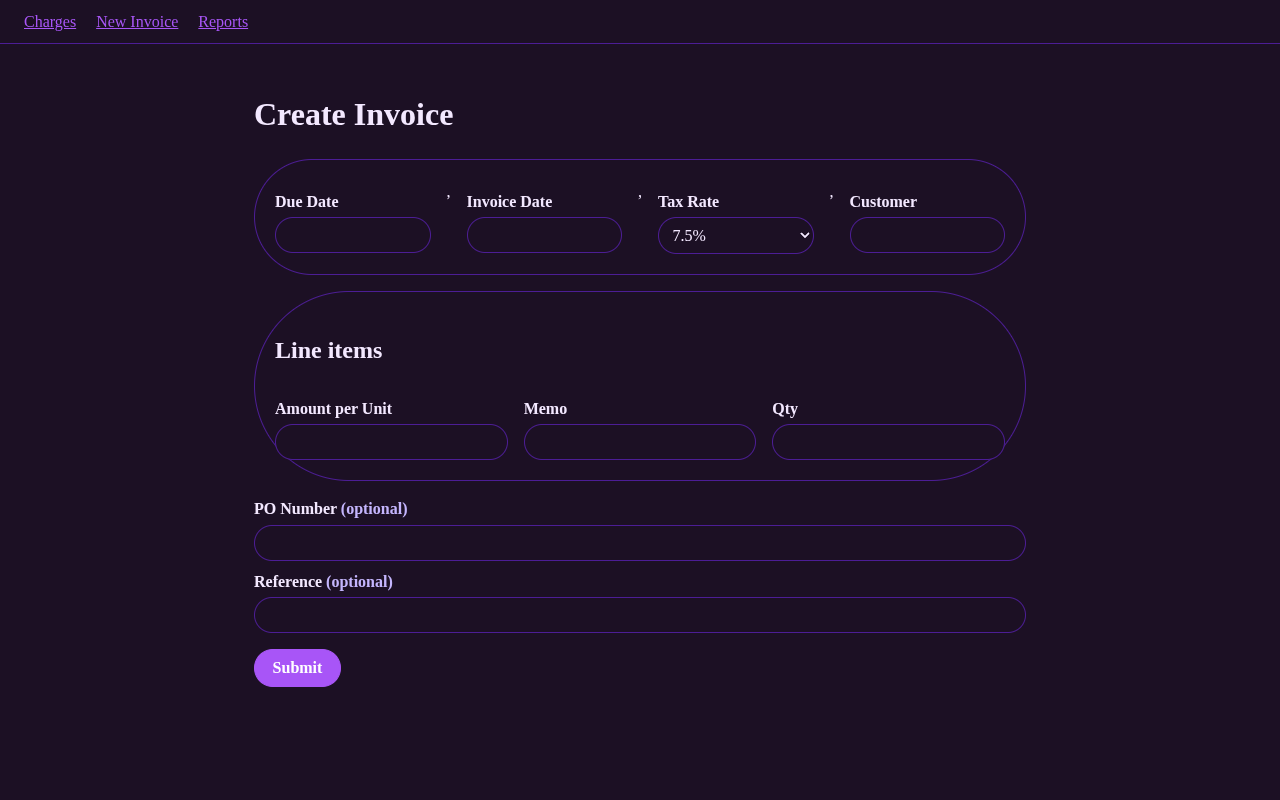
Env Validation & Design Lock (Steps 00-01): Verified Solari API in live environment, proven 0 resource leaks. Locked design: Create-Invoice app with 5 perturbation axes.
Procedural Variant Factory (Step 02): Seeded PRNG matrix generating 14 deterministic web app variants. 15/15 unit tests pass.
Solari Orchestration (Step 03): Wired microVM fork orchestration. Measured boot: ~10.4s per fork (create queue + serve); the snapshot path 409'd on 7 of 8 attempts, so direct provisioning is the working path. Zero container residue. Zero microVMs leaked.
Vision-First Agent Loop (Step 04): Built pure vision-first execution (1280x800 screenshots, coordinate actions). Prompted Antigravity and Claude Code to engineer harness-side hybrid grounding and smart coordinate snapping, rapidly diagnosing and resolving the visual "click-lock" bug. Demonstrated 3/3 repeatability on baseline.
Fail-Closed Verifier (Step 05): Accelerated by Claude Code and Pi Coding Agent (via OpenCode Go) to scaffold an independent auditor checking the sandbox SQLite database directly (C1–C7 integrity checks), completely ignoring what the agent claims.
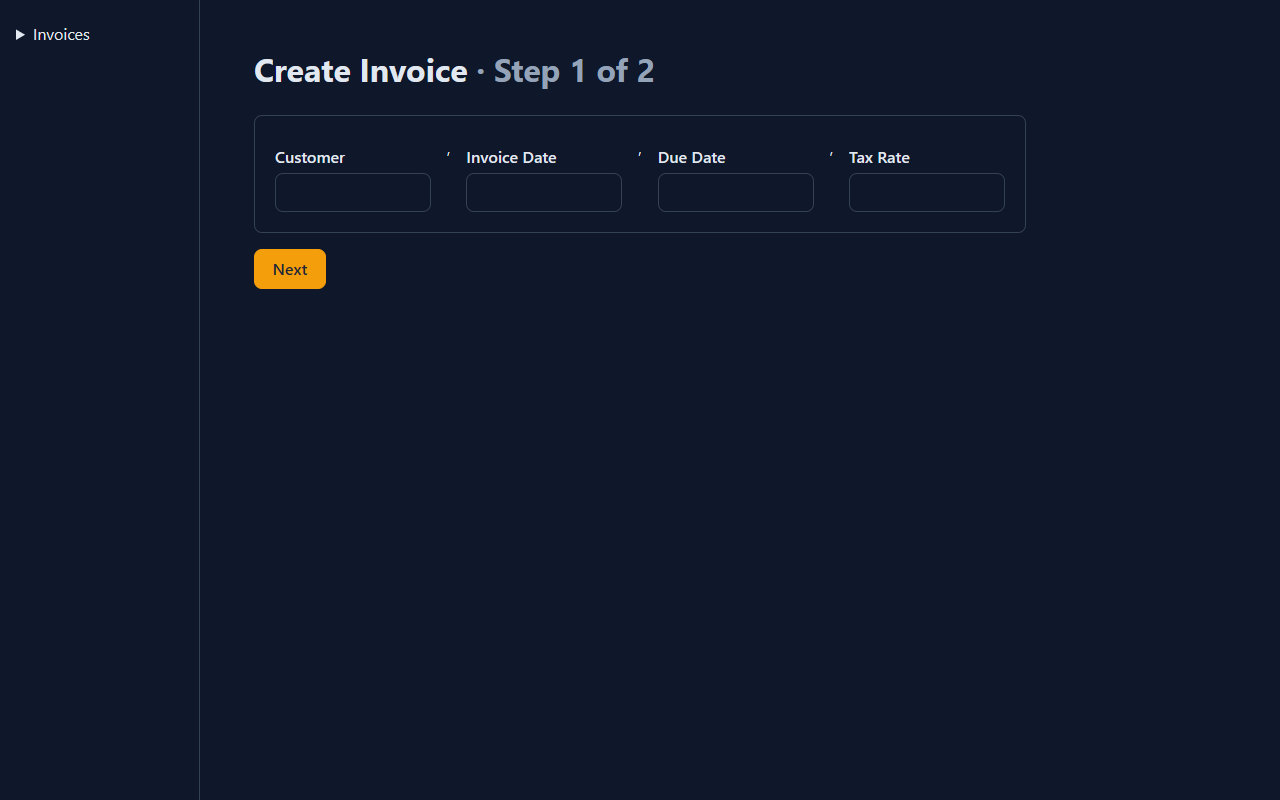
The Breakthrough Finding: Ran causal axis-isolated trials. Discovered the sharp contrast between surface invariance (100% on P1 label synonyms and P5 theme reskins) and procedural collapse (0% on P2 two-step wizard).
Replay Session Wiring: Captured real presigned S3 session replay URLs from Solari driver for every live run.
Packaging & Verification (Step 07): Generated showcase gif (16 keyframes), cleaned secrets, and compiled full test harness.
Final Orchestrator Sign-off (Step 08): PASS. Automated 110 passing Vitest unit tests with zero TypeScript errors and zero leaked microVMs using Claude Code and OpenCode Go (evaluating against GPT 5.6 Luna), deploying the live showcase the same afternoon.
The Ask
"You don't want my resume — you want to know if I can close the gap you care about.
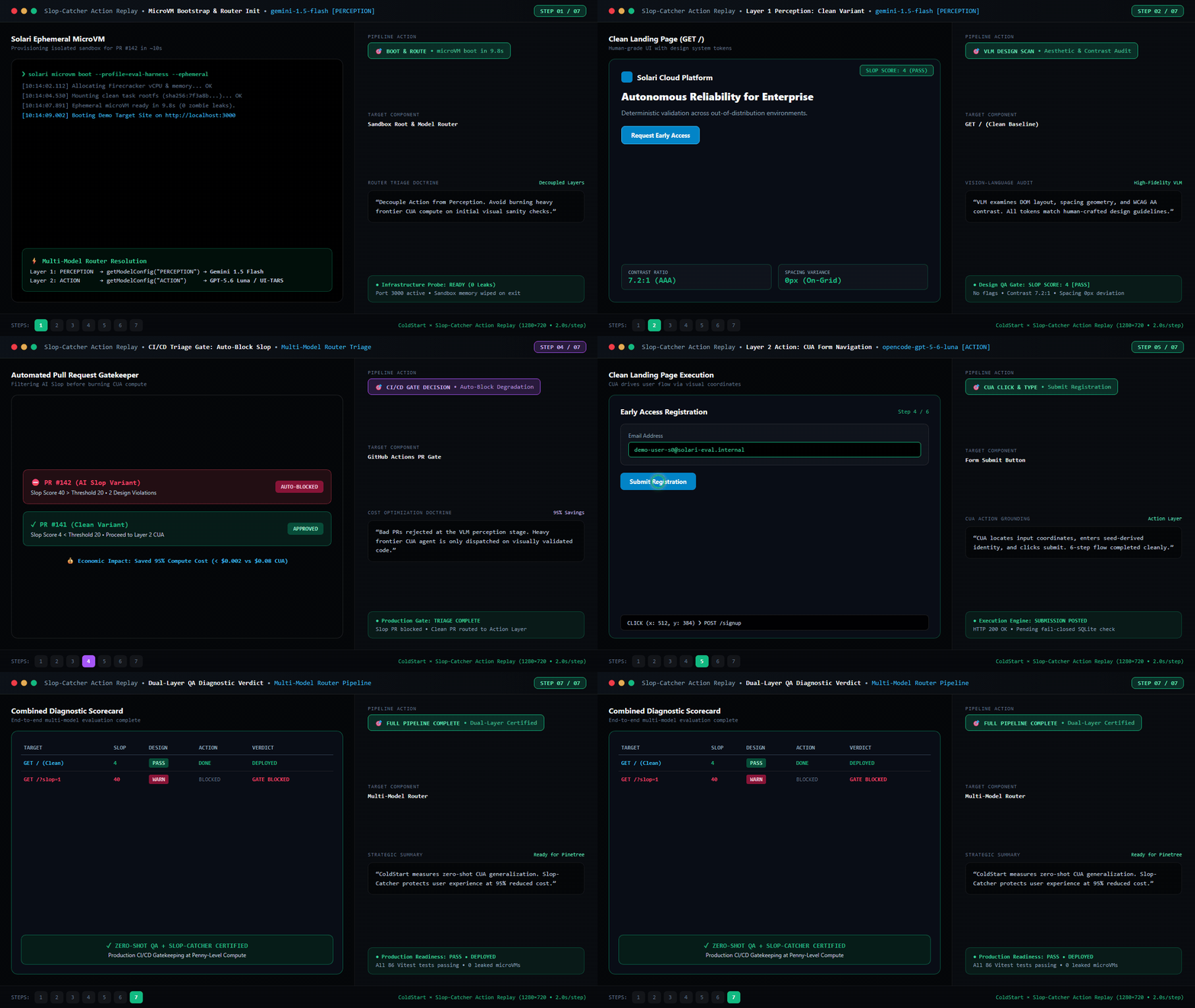
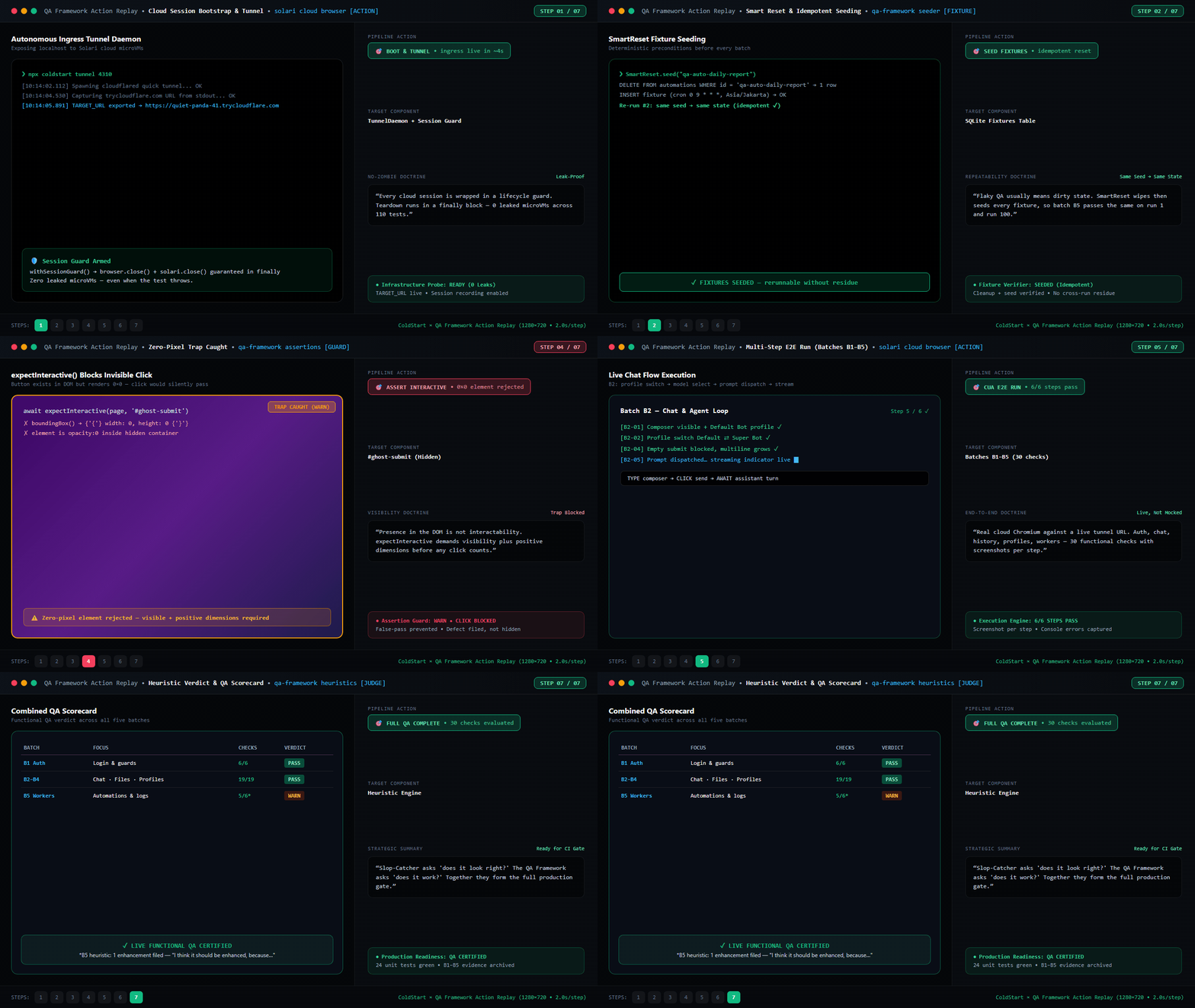
I built ColdStart to measure zero-shot generalization. The Slop-Catcher is an offline mock prototype and future research direction, not a shipped product.
The ColdStart harness uses reproducible variants, harness-side grounding, and fail-closed verification; cost is reported in observable seconds, calls, and tokens because no dollar rate is exposed.
The code runs. The tests pass. The prototype layers remain explicitly unverified. I'd ship it, learn your stack fast, and contribute to Pinetree Agent's reliability story from day one."